Rewilding Education

Updated: Nov 30, 2025
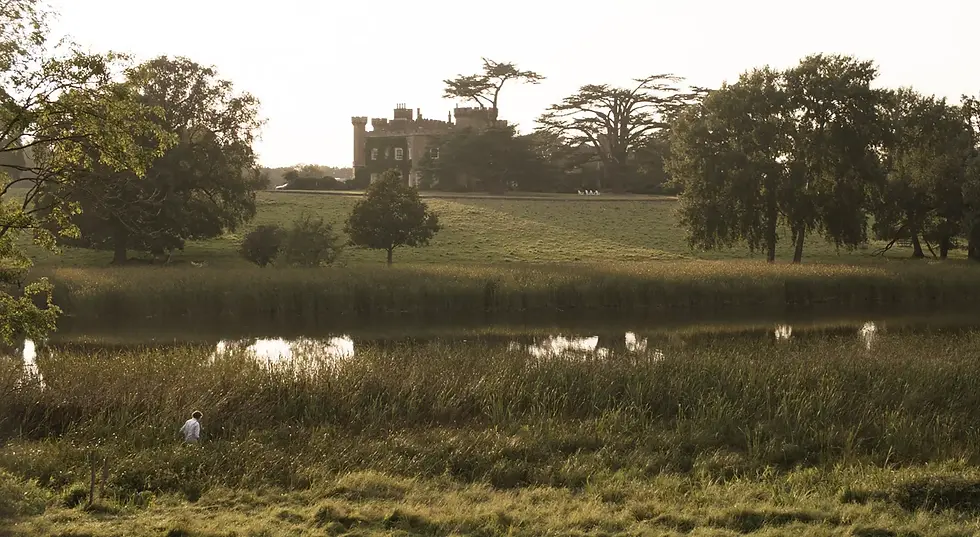
When I watched Wilding, the documentary about the Knepp Estate in West Sussex, and I couldn’t shake the parallels with how we treat children.
Knepp is a 3,500-acre estate that used to be intensively farmed. When the soil became exhausted and the business could no longer survive, the owners made a radical decision. They stopped controlling the land.
They tore down fences, released grazing animals, and allowed nature to take the lead.
At first, it looked chaotic. Fields filled with weeds and thistles. Brambles took over. People complained about the noise, the untidiness, the lack of order. It didn’t look productive or respectable.
But within a few years, life began to return. The soil healed. Rare species came back. The system balanced itself in ways no human plan could have achieved.
Watching that story unfold, I couldn’t help thinking about education.
How we drain the soil, overmanage the environment, and then wonder why nothing thrives.
We plough, we plant, we control. We create straight lines where there should be tangled growth. We reward compliance and call it progress. And then we are surprised when curiosity and courage stop growing.
When the fields at Knepp were left alone, nature did what it knows how to do. It recovered. It looked messy for a while, but beneath the surface, balance was restoring itself.
Children are the same.
When we stop overmanaging them, they remember how to learn. But the problem is, real learning looks messy. It’s noisy. It’s unpredictable. It’s inconvenient.
And that makes adults uncomfortable. So we tidy it up. We standardise. We measure.
We praise the quiet, compliant child and call it good behaviour. But compliance is not goodness. It’s a survival strategy. And it benefits the system more than the child.
Neuroscience shows that curiosity drives learning.
Autonomy supports motivation.
Connection builds resilience.
We know this. Yet we still run schools that suppress all three in the name of order.
What would happen if we trusted the natural intelligence of children the way Knepp trusted the land? If we stopped assuming that control creates safety, and let things get a little wild again?
The wildness was never the problem. Our fear of it was.
What could grow if we stopped farming children and started trusting them instead?


Comments